
Righteous Clothing Care Tips Quality and Value
A Look at the Righteous Clothing Label: Does It Live Up to the Buzz?
Online curiosity surrounding We Are Righteous has trended upward over time, and this fact by itself brings up a fair question: is the brand genuinely worth it, or is this one more example of clever marketing getting ahead of the product? This review looks at what the label is built around, how the clothing performs in practice, and where it stacks up next to other streetwear names people mention in the same breath. Cutting out filler and hollow praise — just an honest breakdown built from what the brand communicates about itself and what shoppers consistently report.
More than just a clothing line, We Are Righteous positions itself. It draws heavily on faith-driven messaging, turning garments into a medium for identity and belief as opposed to simply seasonal trends. This focus is significant since it informs everything from the graphics on a righteous hoodie to the tone of the brand’s product descriptions. Should you be after something purely trend-chasing, the message-driven approach could miss the mark. Should you want garments that communicate something particular, it’s a whole different story.
Defining Righteous Clothing
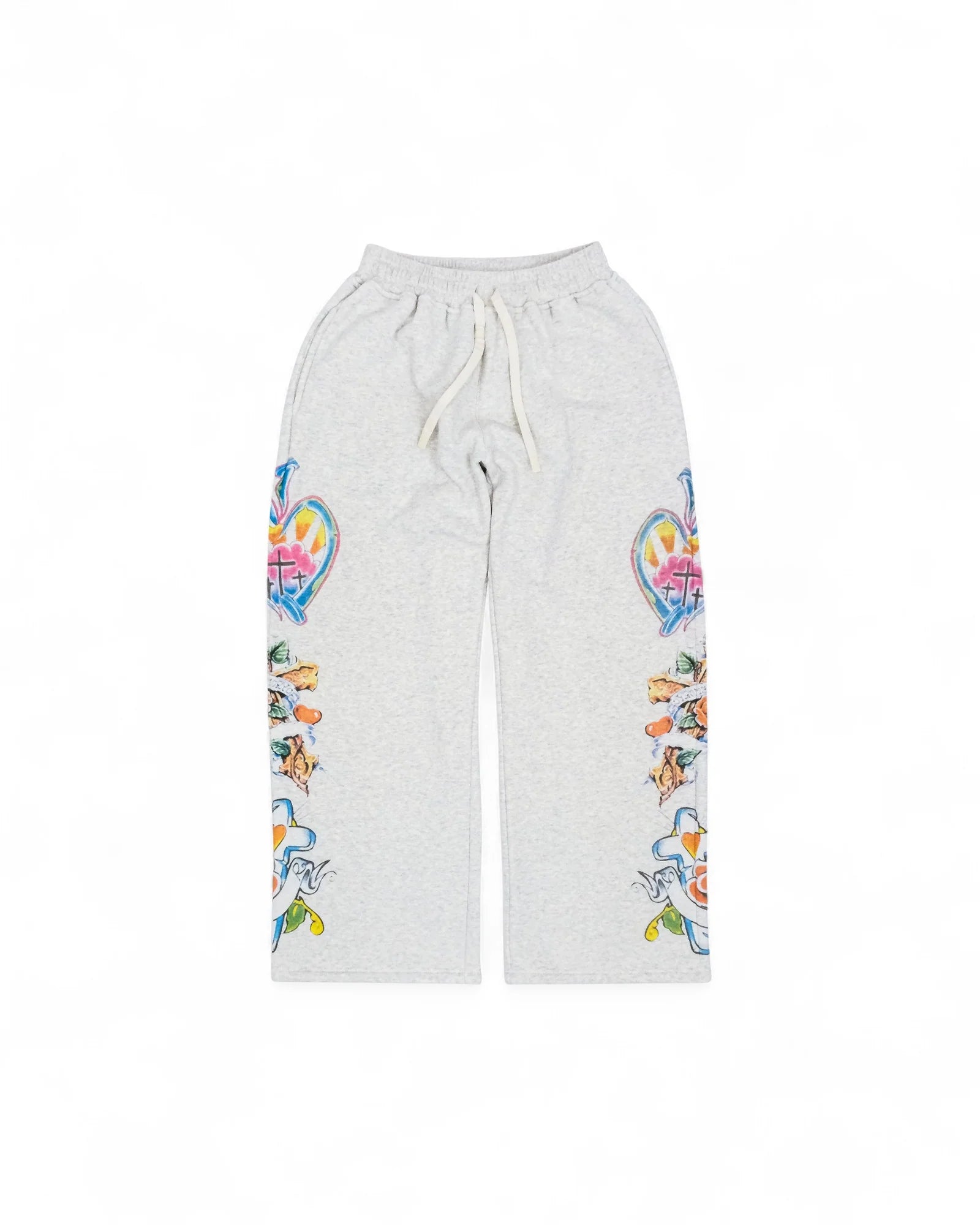
The concept behind Righteous clothing is straightforward: streetwear cuts carrying faith-rooted visuals and text. Outerwear, tees, and hoodies form the core of the lineup, with designs that lean toward bold typography and statement-driven visuals over subtle logo work. This is far from a subdued, basics-only label — each item aims to say something the moment it catches the eye.
Its branding plays into a niche that has scaled up considerably over the past few years: faith-based streetwear. Unlike traditional Christian apparel brands that lean heavily on scripture references and a churchy visual style, We Are Righteous brand design draws more heavily from contemporary streetwear norms — oversized fits, heavyweight fabrics, and graphic placement that echoes what you’d see from mainstream hype labels. That blending of styles is part of why the brand keeps turning up in comparison searches alongside bigger streetwear names.
Product drops tend to be limited rather than constant, which fuels demand but also means replenishment isn’t certain. For shoppers used to fast fashion’s endless availability, this can be an adjustment. For shoppers well-versed in drop-style releases, it’s a known cadence that reinforces the rightious clothing brand’s sense of exclusivity.
Quality Concerns Shoppers Commonly Raise
Talk about quality across apparel brands tend to zero in on three things: fabric weight, stitching durability, and print longevity. With righteous apparel, hoodies are the item people talk about most, and the overall feedback points to a denser-than-usual fabric blend that retains its form after multiple washes. That heavier weight is an intentional decision — it suggests a premium feel rather than a thin, mass-produced hoodie that starts pilling within weeks.
Graphic durability is another critical element. Graphic-heavy brands succeed or fail by the degree to which the graphics hold up through frequent laundering. Cracking, fading, or peeling prints are the fastest way to lose customer trust, and it’s the area reviewers examine before anything else. In candid discussions found online frequently mention that the graphics stay intact fairly well when washed according to care instructions, though cold, inside-out laundering extends the print’s life considerably, similar to most screen-printed or puff-print streetwear. Graphic durability is the second major factor, since graphic-heavy brands live or die by whether the artwork withstands frequent laundering, and graphics that crack, fade, or peel remain the fastest way to lose customer trust—an aspect critics inspect before anything else.
A snug cut isn’t what you’ll get if you buy your usual size, since fit here runs true to baggy streetwear standards— so go smaller instead. Such fit behavior is the norm throughout the bulk of streetwear-leaning brands, so it isn’t a red flag specific to this brand — it amounts to a fit approach buyers should know beforehand prior to purchase.
How Cost Aligns With Worth
Based on which segment a brand sits in, value perception shifts accordingly. We Are Righteous holds ground in the mid-tier streetwear space — priced above fast fashion basics but below high-end designer streetwear collaborations. That middle positioning is intentional. Thanks to that placement, the brand can draw on thicker fabrics and more elaborate graphics, compared to a lower-tier competitor’s output — without pricing out a style-savvy younger audience who won’t pay designer prices for a hoodie.
Beyond that, limited drops sway how value is perceived. For over a decade, the streetwear world has leaned on the way scarcity generally drive up resale demand and brand loyalty. Whether that scarcity model is actually justified depends entirely on individual preferences — someone who values exclusivity will see the model as a plus, while those who expect steady availability might find it frustrating.
Righteous up against Similar Street-style Brands
A pair of categories We Are Righteous is frequently compared with—popular streetwear hype labels and established religious apparel lines—provide a clearer frame of reference for grasping the brand’s positioning.
| Consideration | We Are Righteous | Mainstream Streetwear Hype Brands | Old-school Faith-Based Apparel |
|---|---|---|---|
| Styling Approach | Faith-fueled messaging with street-style shapes | Trend-chasing, ever-changing prints | Verse-laden, congregation-style aesthetic |
| Material Heft | Sturdy pullovers & tees | Varies widely by brand and price point | Often less substantial, cost-driven material |
| Stock Approach | Restricted drops, replenishments uncertain | Scarce drops, strong secondary-market demand | Generally always in stock |
| Pricing Tier | Mid-range street-style cost | Mid to high-end, often pushed higher due to buzz | Budget to mid-tier |
| Target Buyer | Belief-driven, style-conscious customers | Trend-chasing, hype-driven shoppers | Church communities, everyday religious apparel shoppers |
One thing is made clear by this table: rather than chasing a broad, all-things-to-everyone approach, We Are Righteous holds a distinct niche. While keeping traditional faith apparel’s values-driven foundation, the brand takes on the drop culture and fabric standards typical of mainstream streetwear. Quite possibly, this blended brand identity is its biggest differentiator in 2026’s crowded apparel market.
Is Righteous Apparel the Right Pick?
Every shopper won’t find the right fit in every brand, and transparency on that point carries more weight than across-the-board praise. People wanting to show their faith in a contemporary yet practical way will find Righteous clothing makes the most sense — not through outdated graphic tees, but through pieces that could pass as high-end streetwear at a glance. If personal style and personal belief are both priorities, this brand bridges that gap better than most alternatives currently on the market.
Customers who are fine with holding out for launch cycles, or being okay with that a style might not be replenished, are also well suited to it. Buyers who depend on guaranteed stock availability all year, or who prioritize the lowest possible price point, may find the model less suited to their needs. That’s not a flaw so much as an imbalance in what’s expected — streetwear-inspired limited-drop formats were never built around nonstop availability.
Younger buyers, particularly those already engaged with streetwear culture, seem to respond most strongly to the brand’s messaging. The graphic language speaks in a tone that feels current rather than dated, which matters enormously in a category where “faith apparel” has historically skewed toward older, more conservative design choices.
Our Closing Take: Is All the Buzz Surrounding We Are Righteous Warranted?
We Are Righteous has cultivated its growing reputation not by relying on marketing buzz alone, but via fabric quality, lasting graphic quality, and a well-established brand identity. The hoodies feature more substantial materials than typical budget streetwear, the prints hold up with adequate care, and the messaging carries real purpose rather than resembling a hastily tacked-on fad. That combination is what separates brands that endure from ones that disappear after a single hype cycle.
Limited drops are the reason popular designs can sell out and stay out of stock for a while — this is the area demanding patience from shoppers. Those who hate the wait-and-refresh cycle will find that’s a fair point. However, shoppers who want streetwear with real depth behind it will note that We Are Righteous review feedback is broadly favorable, and the brand’s positioning in 2026 reads more as a label settling into a defined identity.
To sum up: the excitement is justified on closer inspection. The buzz isn’t baseless — it’s excitement grounded in a product that comes through on what it sets out to do, aimed squarely at buyers who want their clothing to stand for something.
